
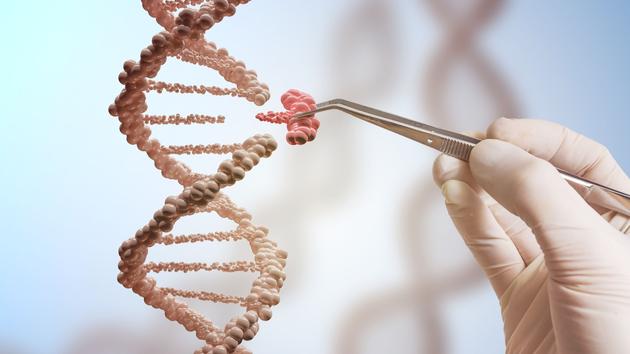
Google Artificial Intelligence can predict the 3D structure of any molecule encoded by the human genome. A major improvement that opens up considerable possibilities.
“Incredible”, “Revolutionary”, “Blunt” … When they talk about the Alphafold operating system, which was released a few days ago by Deep Mind (a subsidiary of Alphabet, Google’s parent company), experts say there is no shortage of bosses. This artificial intelligence tool can predict the structure of almost all proteins encoded by the human genome. This opens up new perspectives, especially in medicine, on most therapeutic products targeting proteins. Since the release of the human genome in 2003, the availability of all of these human “proteomes” may mark a new turning point for biomedical research.
Also read:When DNA and time tell us
The basic components of organisms, proteins, control the function of each of our cells. They are essential for all biological functions from digestion to neurological communication and reproduction. Enzymes, hormones, receptors, transporters and proteins are everywhere.
This article is for subscribers only. You have 84% to find.
Freedom to push the limits of science.
Continue reading your article for 1 for 2 months
Already subscribed?
Login

Edward Langley is a contributor to Nintendo-power.com, covering a wide range of topics including news, business, technology, entertainment, lifestyle and current affairs. He focuses on delivering clear, balanced and accessible reporting that helps readers stay informed about important developments and emerging trends. With an emphasis on accuracy, relevance and useful insights, Edward aims to provide engaging stories and practical information that matter to audiences in the UK and beyond.