
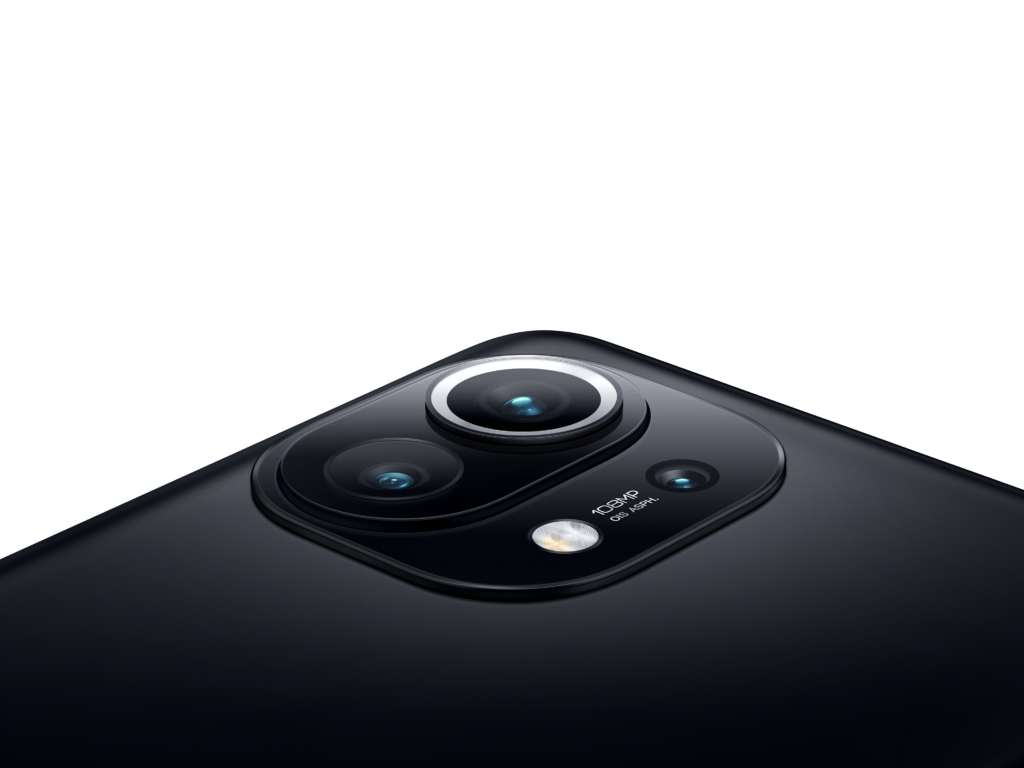
Xiaomi is the first phone with Mi 11 Snapdragon 888 chipset. The new chip offered by Qualcomm, among others, delivers faster performance for AI applications with a total of 26 tops (compared to 15 TOPS with the predecessor S865).
Xiaomi uses enormous power for its BlinkAi algorithm. Its in-depth learning software calculates data for the new night mode on the Mi 11’s video camera. You can see the new feature in a video demo below:
Traditional night modes use image merging – many images are merged together, but the technique is relatively slow as the sensor has to capture multiple images. BlinkAI’s algorithm uses a neural network to reflect how the human eye works. BlinkAI only needs one image for this. In this way, the detail and ambiguity of the image can be increased by a few milliseconds.
Here is another demo showing how BlinkAI’s night mode works on Xiaomi Mi 11. You have to remember that the main camera of the Mi 11 has a resolution of 108 megapixels with a 1 / 1.33 inch sensor size. Even if several individual pixels are connected to one another via pixel pinning, this is the complete data that needs to be processed. However, the Snapdragon 888 handles this well.
Mi11 will be available in China from January 1st. No date has been announced for a global release.

Edward Langley is a contributor to Nintendo-power.com, covering a wide range of topics including news, business, technology, entertainment, lifestyle and current affairs. He focuses on delivering clear, balanced and accessible reporting that helps readers stay informed about important developments and emerging trends. With an emphasis on accuracy, relevance and useful insights, Edward aims to provide engaging stories and practical information that matter to audiences in the UK and beyond.