
One of the secrets of Apple Silicon Max’s fluidity lies not only on the side of the chips designed by Apple, but also on the role played by MacOS. The operating system dedicated to Macs has been upgraded while using hardware. Thrifty cores are used as often as possible and especially for all background tasks, thus making powerful cores available for user interactions.
The iPhone taught the Mac how to make the most of its hearts
This division of labor was revised for the newer, more powerful chips that Apple provided last month. Both the Apple M1 Pro and the Apple M1 Max have ten-core CPUs with different companies. They have two energy-efficient cores, half the size of the Apple M1, but up to eight powerful cores, more than twice the size of the previous chip.
Unlike the first Apple silicon chip, these newcomers do not have enough frugality cores to rely on them alone for most tasks. As a result, developer Howard Oakley Shows on his blog The layout is different and performance cores are more commonly used on the MacBook Pro. The “quality of service” that manages the priority of tasks is designed to keep the user as fluid as possible.
To achieve this, developers at Cupertino have relied on a three-level hierarchy for background work. Two power saving cores are used as often as possible on the Apple M1. If they are powerful enough to get the job done quickly, these will only be exploited, but they will be attached to the cores that usually function. However, it does not reach all at once, however, macOS limits itself to a maximum of four high-performance cores, leaving the other four free. If the task requires more power, the last four cores can be called, but they will quickly turn the hand.
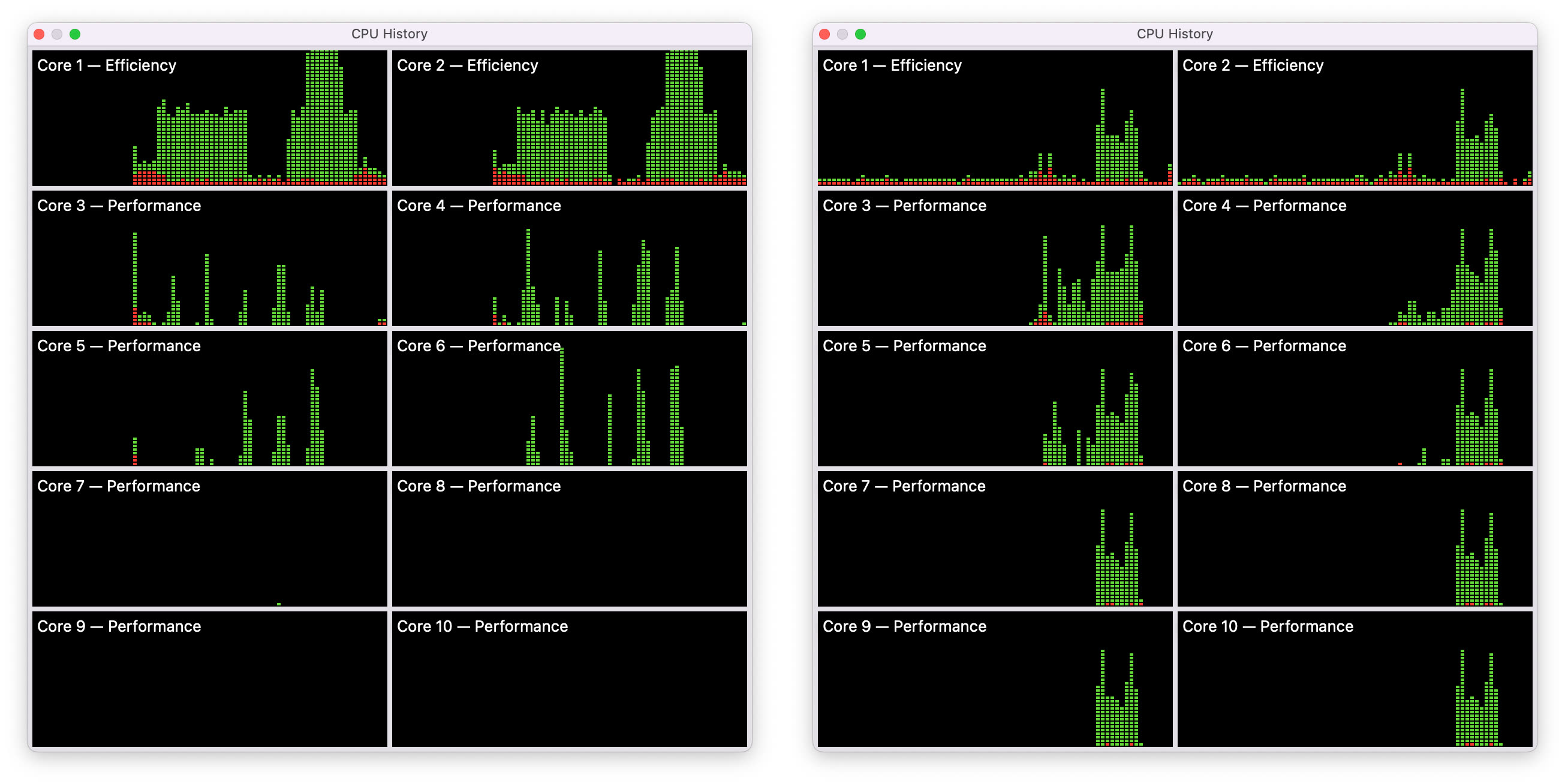
The developer decides that Magos is trying to keep four free powerful cores always on hand. Unless they are needed, they will not be used for background tasks, so they can be used immediately when the user performs an action. This is the key to feeling smooth in use, and the MacBook Pros always have components available to the user when needed. This is an essential point for these laptops to reduce consumption and provide better autonomy.
Naturally, if you do some CPU heavy operation, all the cores will be tapped and there is no point in not doing so. Nevertheless, this recorded example shows that MacOS tries to free up half of its powerful cores during CPU-intensive work. Cores 7-10 are used less than average, and they are only kicked when the other six cores are not sufficient.
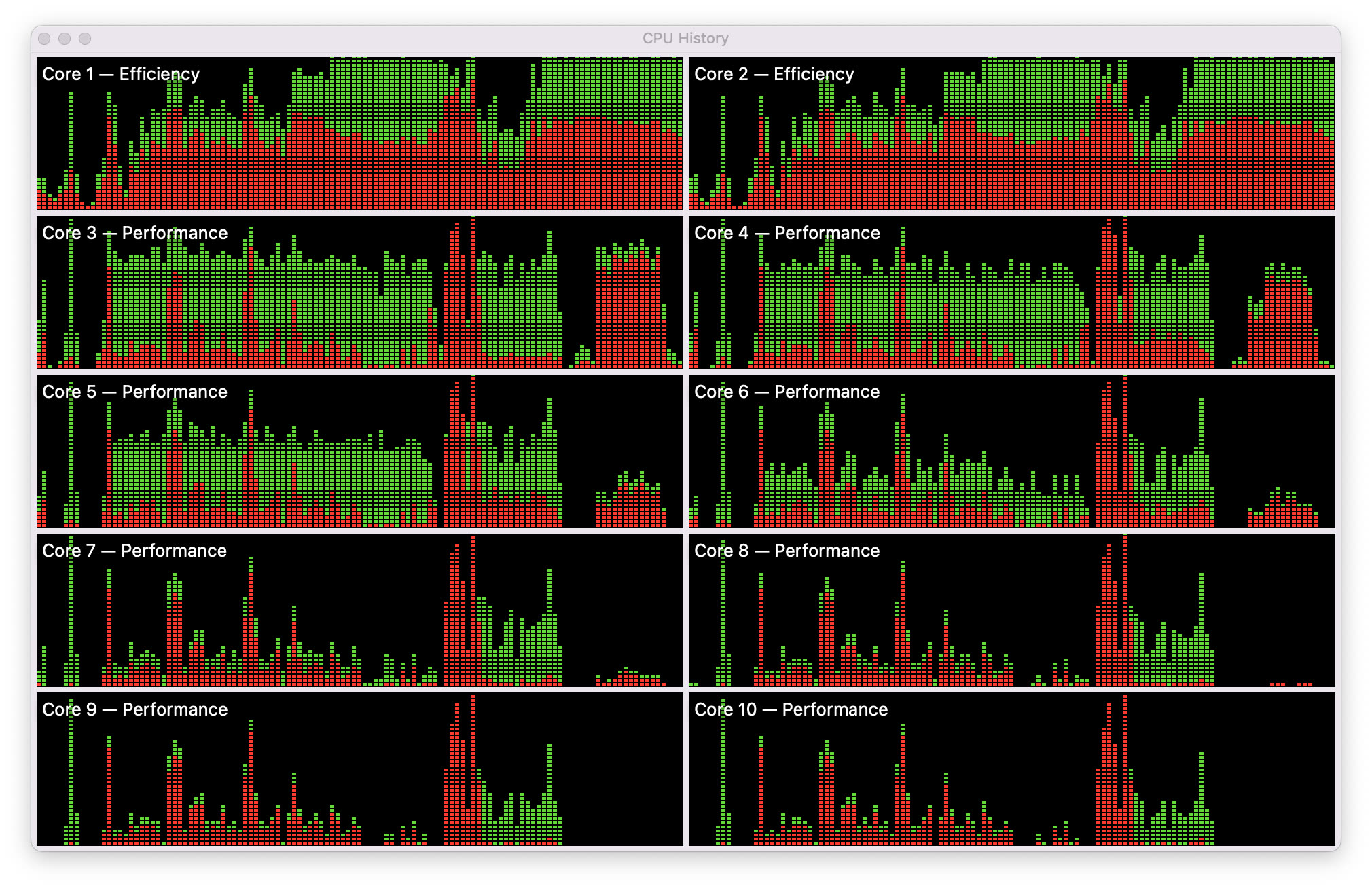
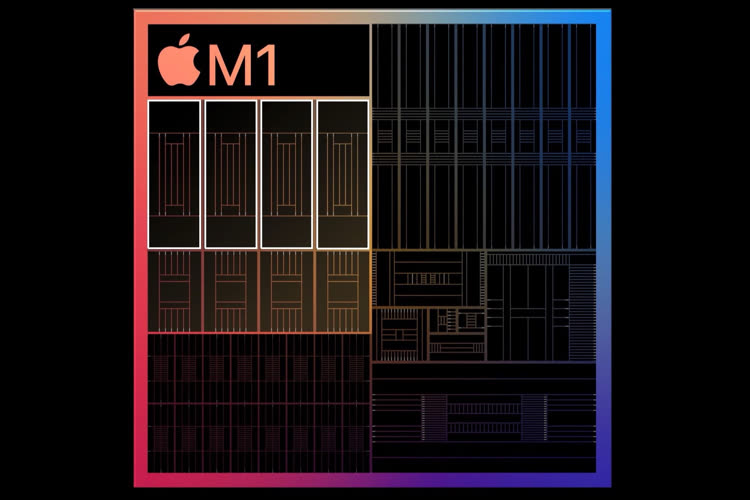
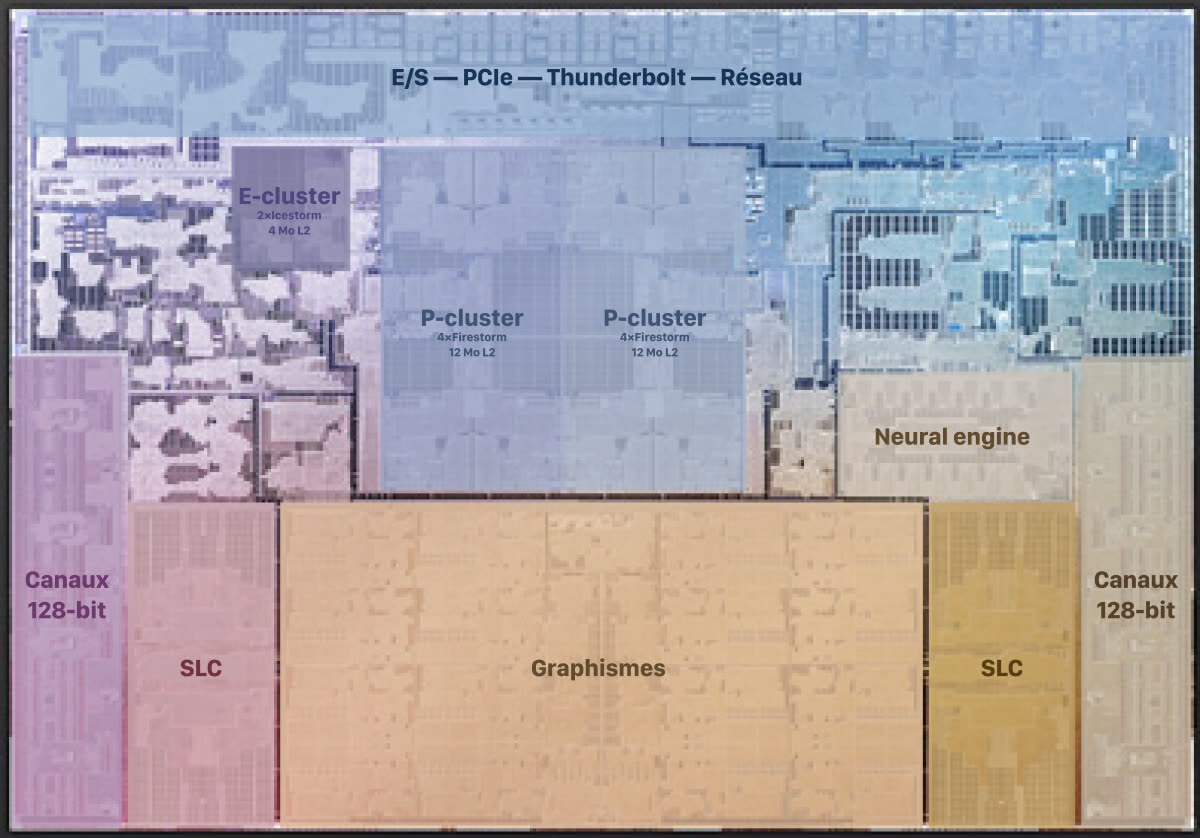
Why leave four high performance cores as free as possible? This figure is not randomly selected, but can be understood by looking closely at the Apple-designed chip and noting that the eight high-performance cores are divided into four modules. ” Clusters “.Magos uses only four for this reason: Under Hood, System a Masonry And leave as little exploitation as possible for a second.
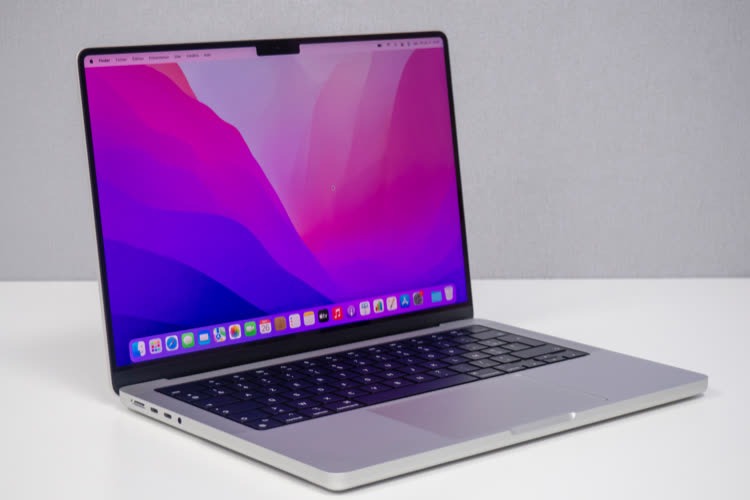
MacBook Pro 2021 Review: Portable Mac Pro

Edward Langley is a contributor to Nintendo-power.com, covering a wide range of topics including news, business, technology, entertainment, lifestyle and current affairs. He focuses on delivering clear, balanced and accessible reporting that helps readers stay informed about important developments and emerging trends. With an emphasis on accuracy, relevance and useful insights, Edward aims to provide engaging stories and practical information that matter to audiences in the UK and beyond.