
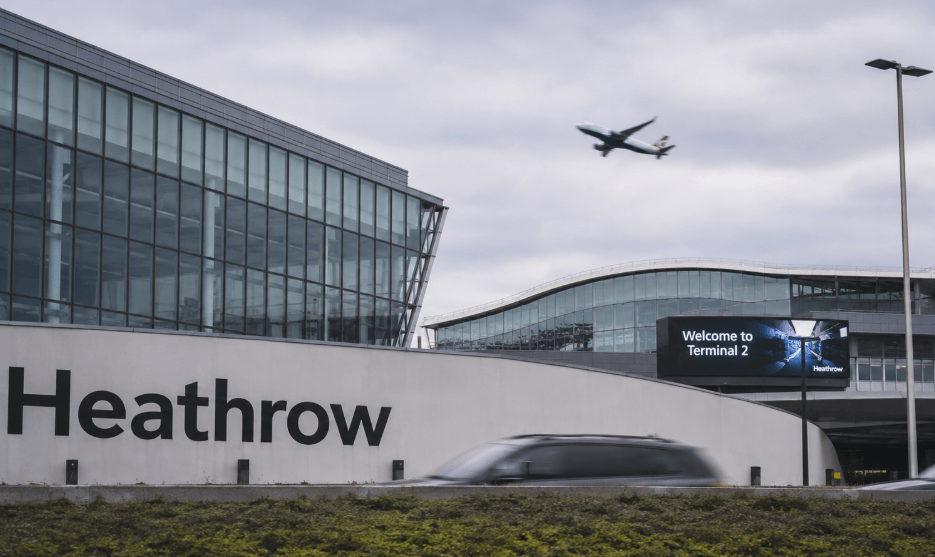
Heathrow Airport has lost its position as Europe’s busiest airport after Istanbul recorded more passengers in July, according to newly released figures. The change comes as the west London hub faces pressure on some international routes while continuing to operate its two runways close to full capacity.
Istanbul Overtakes Heathrow in July Passenger Numbers
Heathrow said 7.86 million passengers travelled through its four terminals during July. By comparison, Istanbul Airport handled 8.15 million passengers during the same month, putting the Turkish hub ahead.
The figures mark a significant shift for Heathrow, which has dominated European airport rankings for much of the past three decades.
Annual data from trade body Airports Council International shows Heathrow was Europe’s busiest airport from 1996 until 2019. It lost the title in 2020 as coronavirus restrictions severely disrupted international aviation, before returning to the top position in 2023.
Middle East Traffic Falls Amid Regional Conflict
One factor affecting Heathrow’s latest passenger numbers has been disruption to Middle Eastern travel linked to the US-Israel conflict with Iran.
Passenger traffic on Heathrow’s Middle East routes fell by 20.2% in July compared with the same month a year earlier.
The decline is particularly significant for Heathrow because long-haul international services form an important part of its role as the UK’s primary global aviation hub.
Despite the reduction on Middle Eastern routes, Heathrow remains one of the world’s largest and most important international airports, serving London and providing connections between the UK and destinations across Europe, North America, Asia and other regions.
Heathrow Continues Push for Third Runway
The latest passenger figures also come as Heathrow seeks government approval for a third runway.
The airport’s existing two runways operate close to full capacity, limiting its ability to add significant numbers of flights during busy periods.
Heathrow’s owners have proposed an expansion that they say could eventually increase the airport’s capacity to 150 million passengers a year.
The airport said “the case for expansion has never been clearer”.
In a statement, Heathrow added: “Our plans will ensure the country gets the infrastructure it needs to stay competitive and will deliver all-important economic growth.”
The third-runway debate has continued for years in the UK, balancing arguments about economic growth and international connectivity against concerns over environmental impacts, noise and development around west London.
Airport Handled 84.46 Million Passengers in 2025
Heathrow recorded 84.46 million passengers during 2025, highlighting the scale of demand at the airport despite its capacity constraints.
The airport said 19 July was its busiest day of 2026 so far, coinciding with the beginning of the summer holidays for many schools across the country.
Around 267,000 passengers travelled through Heathrow on that day as families and other holidaymakers headed abroad during one of the busiest periods of the UK travel calendar.
The summer months traditionally place substantial pressure on Britain’s airports, particularly Heathrow because of its extensive long-haul network and role as a major transfer hub.
New Airlines Highlight Demand for Heathrow Slots
Heathrow said several new airlines began operating services from the airport in July.
According to the airport, the new arrivals demonstrate “clear demand for access to Heathrow”, despite the restrictions created by limited runway capacity.
Airlines have historically competed heavily for take-off and landing slots at Heathrow because of its proximity to London and its extensive network of international connections.
Istanbul Airport, meanwhile, has expanded rapidly as Turkey strengthens its position as a major aviation crossroads between Europe, Asia, the Middle East and Africa.
Competition Among Europe’s Major Airports Intensifies
Istanbul’s move ahead of Heathrow illustrates the changing landscape of European aviation, with major hubs competing for passengers, airlines and connecting traffic.
For Heathrow, the July figures add further weight to its argument that additional capacity is needed if the UK is to maintain its position in international aviation. However, any major expansion will continue to face scrutiny over its economic, environmental and local consequences.
Although Istanbul handled more passengers in July, Heathrow remains a central part of Britain’s transport infrastructure. Its longer-term position among Europe’s busiest airports will depend on passenger demand, geopolitical developments and decisions over the proposed third runway.

Thomas Hawthorne is a contributor to Nintendo-power.com, covering a broad range of topics including news, business, technology, entertainment, lifestyle, and current affairs. He focuses on delivering clear, accurate, and accessible reporting that helps readers stay informed about important developments and emerging trends. With a reader-first approach, Thomas aims to provide useful context, balanced insights, and engaging stories that reflect the issues, events, and interests shaping everyday life.